

Practical Applications And Creative ToolsIn the realm of color strategy, moving from theory to practice involves leveraging a variety of tools and resources to implement and refine your color choices effectively. This lesson explores practical applications and creative tools that can aid marketers, designers, and brandA brand is a name, term, design, symbol or any other feature that identifies one seller's good or se... More strategists in selecting, applying, and optimizing color schemes for maximum impact. |
|
Color Selection Tools and ResourcesSelecting the right colors is crucial for effective branding and marketing. Here are some essential tools and resources to assist in the color selection process:
|
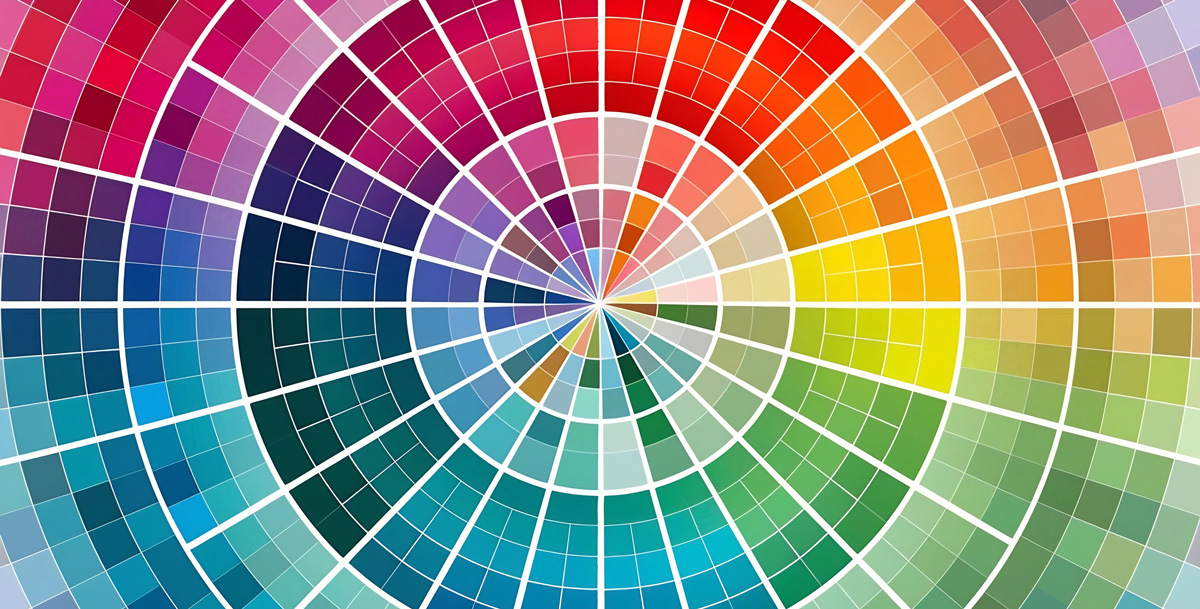
Color Wheel and Theory Tools: Understanding basic color theoryColor theory encompasses both the art and science of color use. It explains how humans perceive colo... More is foundational for creating harmonious color schemes. Tools like Adobe Color Wheel, Paletton, and Coolors provide interactive color wheels that help visualize color relationships, such as(Article Submission) Digital Color Pickers: Tools such as(Article Submission) PantoneThe Pantone Color System, or PMS, is a standardized color matching system widely used all over the... More Color Guides: The PantoneThe Pantone Color System, or PMS, is a standardized color matching system widely used all over the... More Matching System (PMSThe Pantone Matching System is a standardized color matching system widely used all over the world... More) is a standardized color reproduction system used across various industries. PantoneThe Pantone Color System, or PMS, is a standardized color matching system widely used all over the... More guides, such as(Article Submission) Color Palette• A palette is the color scheme of a specific design or brand - making up part of a brand’s styl... More Generators: Online generators like Colormind and Color Hunt allow you to create and explore color palettes based on trends, userA person that uses a product. More preferences, or specific themes. These tools often provide color schemes inspired by popular design trends or cultural contexts. |
Applying Color in Branding and DesignOnce you’ve selected your colors, applying them effectively in branding and design involves a strategic approach. Here’s how to apply color in various contexts:
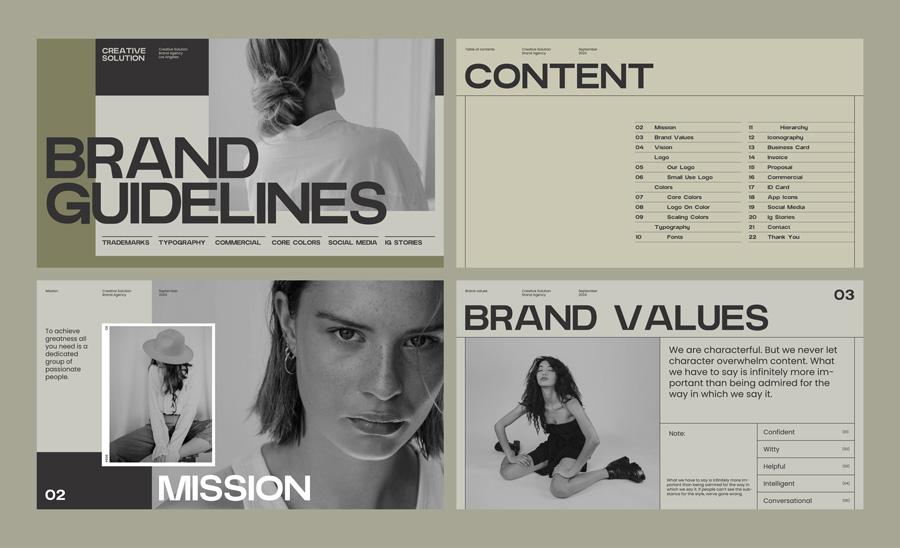
BrandA brand is a name, term, design, symbol or any other feature that identifies one seller's good or se... More Identity Design: Incorporate your color palette• A palette is the color scheme of a specific design or brand - making up part of a brand’s styl... More into brandA brand is a name, term, design, symbol or any other feature that identifies one seller's good or se... More elements such as(Article Submission)
Website and Digital Design: Use color strategically in website design to guide userA person that uses a product. More experience and enhance visual appeal. Tools like Adobe XD and Figma allow you to create and test color schemes in web and app designs, ensuring that colors enhance usability and align with userA person that uses a product. More expectations.
Packaging Design: For product packaging, consider how colors impact shelf appeal and consumer perception. Tools like Esko’s Studio Designer can help visualize packaging designs in 3D and assess how color choices influence product presentation. |
Testing and Evaluating Color ImpactTesting and evaluating the effectiveness of your color choices is crucial for refining your strategies and ensuring they resonate with your target audience. Here’s how to approach this process:
A/B Testing: Conduct A/B testing to compare different color schemes and assess their impact on consumer behavior. For example, test two versions of a webpage with different color buttons to determine which one drives higher click-through rates.
Consumer Surveys and Focus Groups: Gather feedback from target audiences through surveys and focus groups. Ask participants about their perceptions and preferences regarding different color schemes to gain insights into their effectiveness and appeal.
Analytics and Performance Metrics: Use analytics tools to track performance metrics such as(Article Submission)
|
Leveraging Emerging TrendsStaying updated with emerging trends and innovations in color usage can give you a competitive edge. Here’s how to leverage these trends: Color Trends Reports: Regularly review color trends reports from sources like PantoneThe Pantone Color System, or PMS, is a standardized color matching system widely used all over the... More and Color Marketing Group. These reports provide insights into emerging color trends and help you stay ahead of market preferences. Innovative Design Tools: Explore new design tools and technologies that offer advanced color features. For instance, tools like Adobe’s AI-powered Color Wheel and Canva’s Color Palette• A palette is the color scheme of a specific design or brand - making up part of a brand’s styl... More Generator leverage artificial intelligence to suggest color combinations based on current trends and userA person that uses a product. More input.
Interactive Design Experiences: Consider using interactive design tools like augmented reality (AR(Augmented Reality) |
Creative Exercises and TechniquesCreativity is key to applying color effectively. Engage in creative exercises and techniques to inspire innovative use of color:
Color Challenges: Participate in color challenges or design contests that encourage exploration of new color palettes and creative applications. These challenges can inspire fresh ideas and provide feedback from the design community. Collaborative Workshops: Organize workshops with designers, marketers, and stakeholders to brainstorm and refine color strategies. Collaborative sessionsA group of interactions or hits with your website. A session may include several web page visits and... More can generate diverse perspectives and lead to more effective color solutions.
|
SummaryPractical applications and creative tools play a vital role in the successful implementation of color strategies. By leveraging color selection tools, applying colors effectively in branding and design, testing and evaluating their impact, and staying updated with emerging trends, you can create compelling and effective color schemes that resonate with your audience. Remember, color is a dynamic and powerful element in marketing and design—using the right tools and techniques will help you harness its full potential to enhance brandA brand is a name, term, design, symbol or any other feature that identifies one seller's good or se... More identity and drive consumer engagement. |
|

0
You cannot copy the content of this page.

Please confirm you want to block this member.
You will no longer be able to:
Please note: This action will also remove this member from your connections and send a report to the site admin. Please allow a few minutes for this process to complete.


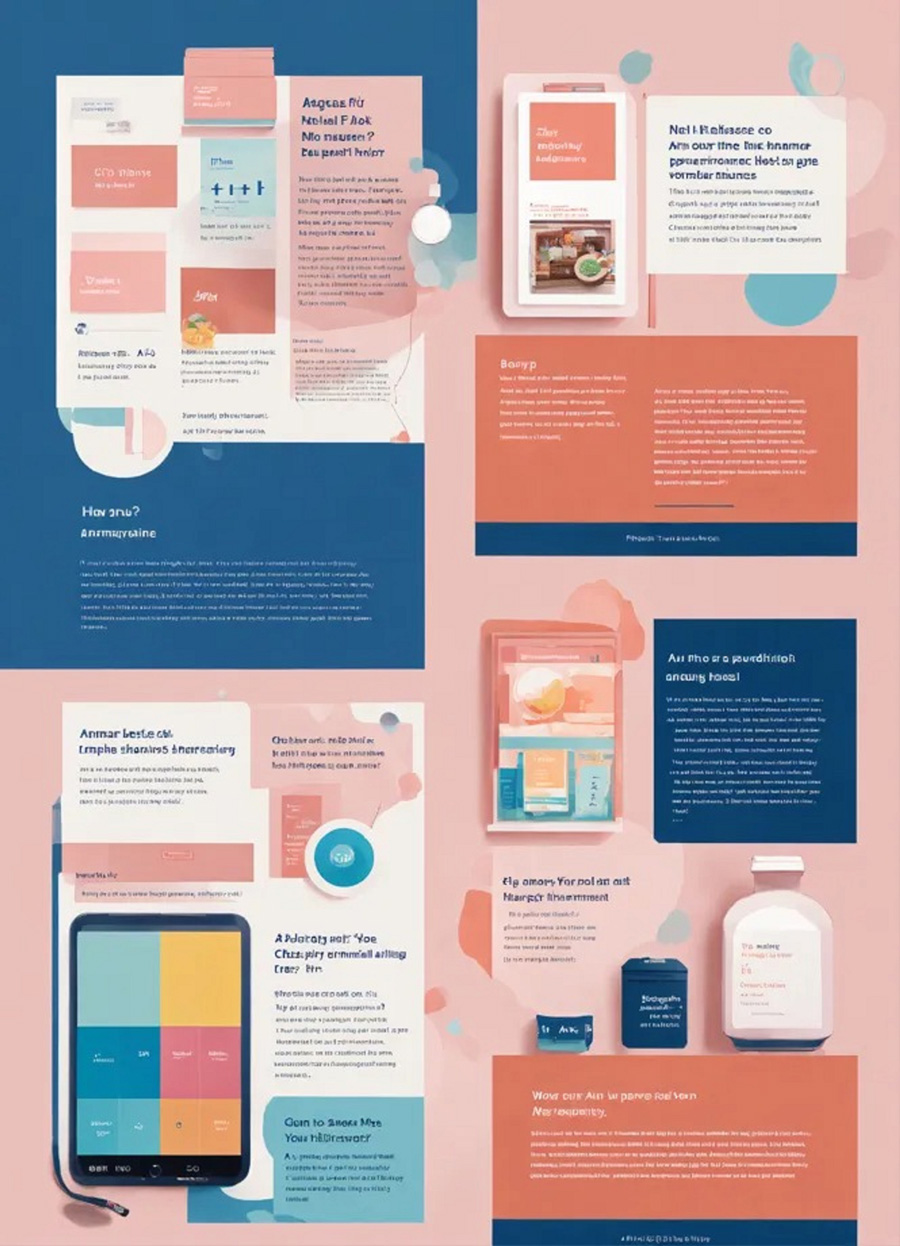 Marketing Materials: Apply your color scheme consistently across all marketing materials, including advertisements, brochures, and digital assets. Consistency helps reinforce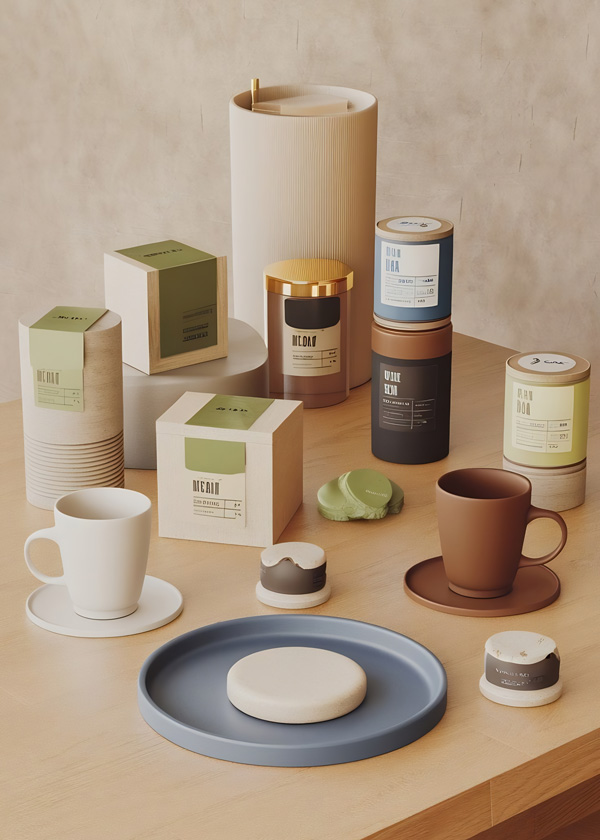




 Mood Boards: Create mood boards to explore and visualize color palettes in the context of your project. Tools like Pinterest and Milanote can help you gather visual inspiration and experiment with color combinations.